Fresno Home Additions for Growing Families
How to Choose the Best General Contractor for Your Home Renovation Project
Picking the right construction professional is essential for a productive home renovation. Property owners must evaluate various factors, including background, qualifications, and interpersonal skills. A well-informed decision can prevent costly mistakes and secure a better-managed process. However, navigating through the hiring process can be overwhelming. Which particular factors should one keep in mind? What questions are essential during preliminary meetings? Recognizing these considerations can profoundly affect the renovation experience.
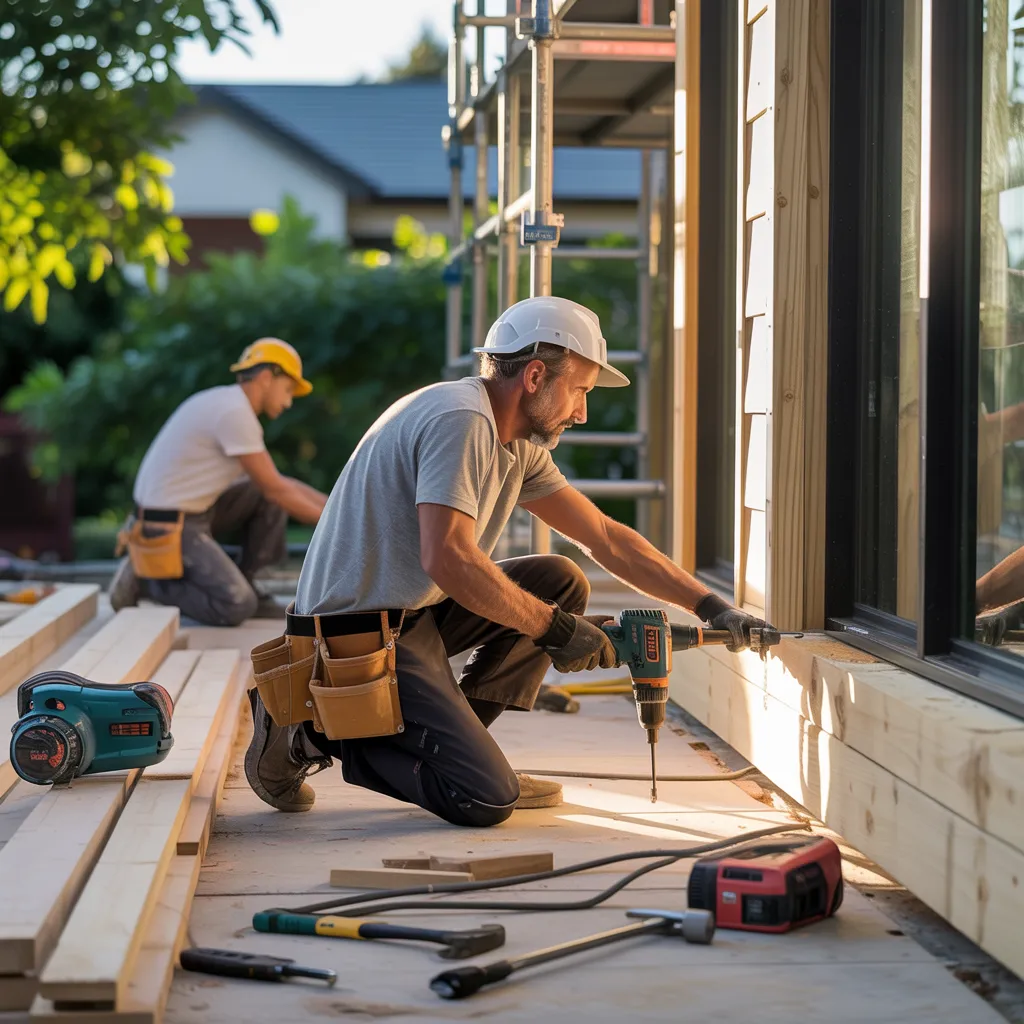
What Kind of Experience Should You Seek in a Contractor?
When choosing a general contractor for home remodeling, it is important to take into account their experience in the field. A contractor's background can significantly impact the overall quality of the renovation process. First, potential clients should look for contractors with a proven track record in similar projects, guaranteeing knowledge of particular challenges and effective solutions.
In addition, years of experience can indicate a contractor's skill in overseeing budgets, timelines, and subcontractors with efficiency. It is equally important to ask about their portfolio, demonstrating completed work that reflects the homeowner's expectations.
Furthermore, contractors familiar with local construction codes and regulations can assist in preventing potential legal issues. Finally, a contractor's capacity to provide references from previous clients can offer insight into their dependability and professionalism. By thoughtfully considering these criteria, homeowners can make a more informed decision when selecting a general contractor for their home renovation project.
How to Check a Contractor's Credentials and References
How can homeowners make certain they are working with a qualified contractor? Checking a contractor's credentials and references is a critical step. The first step for homeowners is to verify proper licensing and insurance, confirming the contractor complies with local regulations. This can typically be done through state or local licensing boards. Furthermore, verifying that the contractor carries liability insurance and worker's compensation coverage shields homeowners from potential liabilities.
In addition, homeowners should gather references from former clients. A reputable contractor should provide a list of recent past projects, together with contact information. Reaching out to previous clients can provide important insights about the contractor's dedication, ability to communicate, and compliance with timelines.
Online reviews and ratings available on platforms like Angie's List or Yelp can offer additional insight. Through detailed research and obtaining diverse opinions, homeowners can make an informed decision, enhancing the probability of a positive renovation outcome.
What Key Questions Should You Raise During the Initial Consultation?
Upon validating a contractor's credentials and references, homeowners should plan ahead for the initial appointment by formulating specific questions. Important questions should concentrate on the contractor's expertise in similar jobs, including timeframes and anticipated difficulties. Homeowners should also ask about the contractor's approach to project coordination and updates, confirming they will have access to regular status notifications during the project.
Furthermore, exploring the contractor's preferred subcontractors can shed light on the level of expertise expected. Homeowners must inquire about necessary permits and how the contractor oversees inspections. Homeowners should also seek clarification on the billing timeline and any advance payments involved. Being aware of the contractor's warranty policies and how they address arising problems post-completion is also crucial. By posing these focused questions, homeowners can assess whether the contractor aligns with their goals and requirements for the remodeling project.
How to Break Down Project Estimates and Contracts
Breaking down project quotes and agreements is crucial for homeowners to grasp the monetary components of their remodeling project. Key components such as timelines, labor, and materials are major factors in the overall cost. Additionally, clarifying contract terms ensures that all involved parties maintain a common understanding of responsibilities and requirements.
Primary Estimate Factors
Comprehending the fundamental aspects of contractor estimates is crucial for homeowners starting on renovations. A detailed estimate generally covers labor costs, material expenses, and overhead costs. Labor costs indicate the compensation for qualified professionals, which can fluctuate according to experience and project complexity. Material costs should outline the quantity and grade of materials, permitting homeowners to evaluate durability and value. Overhead costs, including licensing and insurance, shed light on the operational expenses of the contractor. Additionally, emergency funds are often included to address unforeseen costs, ensuring a smoother renovation process. Homeowners should also seek out a clear timeline and payment schedule to define project expectations. Reviewing these components enables property owners make informed decisions and promotes clear dialogue with the contractor they select.
Contract Terms Clarified
A clear understanding of contract terms is essential for homeowners managing renovation projects. Contracts commonly specify the scope of work, payment schedules, and timelines, ensuring all parties are aligned. Homeowners should carefully review the itemized estimates, which provide a detailed breakdown of materials, labor, and permits, ensuring clarity. Key terms to reflect on include change orders, which detail how modifications to the project will be handled and priced. Additionally, homeowners should be aware of warranty terms, which provide coverage for deficiencies in workmanship or materials. Grasping these components allows homeowners to make educated decisions and aids in avoiding conflicts or disputes throughout the renovation, ultimately leading to a smoother project experience. A solid understanding of contract terms is key to a productive working relationship with contractors.
Grasping the Value of Communication Style With Your Contractor?
The effectiveness of a homeowner's communication with their general contractor can greatly impact the success of a renovation project. A transparent communication method fosters understanding and confirms that everyone involved is on the same page regarding expectations, timelines, and budgets. Homeowners ought to evaluate how contractors share details, whether via emails, in-person meetings, or progress reports.
A professional who pays close attention and responds thoughtfully can address anxieties and address issues promptly. Moreover, it is important for property owners to feel comfortable expressing their ideas and feedback. An open dialogue allows for teamwork, which can result in improved choices and fresh ideas.
When evaluating potential contractors, homeowners should reflect on how well they can participate in productive discussions. This harmony in communication methods can greatly enhance the overall renovation experience, confirming that the project progresses smoothly and meets the homeowner's vision. At its core, strong communication builds the basis for a productive working relationship.
What Red Flags Show That a Contractor May Not Be Right for You?
Identifying likely cautionary indicators in a renovation contractor is essential for a satisfactory renovation. Vague communication methods and a absence of proper certifications can suggest fundamental flaws that may compromise the project. Homeowners should stay alert to ensure they select a dependable contractor for their needs.
Unclear Communication Practices
Strong communication stands as the backbone of every thriving home renovation endeavor. In the process of vetting a general contractor, vague communication patterns can reveal serious concerns. Common red flags involve inconsistent information, unclear replies to requests, and trouble coordinating appointments. When a contractor regularly misinterprets project specifications or neglects to deliver progress reports, it calls their dedication and dependability into question. Furthermore, insufficient openness about schedules, expenses, and procedures may suggest poor organization or a lack of professionalism. Professional contractors ought to be prepared to explain specifics and resolve issues in a timely manner. A contractor that evades straightforward dialogue or disregards inquiries likely does not place the homeowner's needs first, putting the project's outcome at risk. Transparent communication is fundamental to fostering trust and securing a successful renovation outcome.
Failure to Obtain Proper Licensing
Clear communication is essential in establishing an effective partnership with a general contractor, but it is just as important to guarantee that the contractor holds the necessary credentials. A lack of proper licensing serves as a major warning sign when evaluating potential contractors. Licensed professionals are often required to meet specific state regulations, ensuring that they have the experience and expertise necessary to carry out renovation projects efficiently and safely. Homeowners are advised to verify a contractor's license through official local authorities or online databases. Moreover, hesitation in providing licensing information or insurance verification may indicate a lack of professionalism. Ensuring that a contractor is properly licensed not only shields the homeowner but also supports the overall success of the home renovation project.
Popular Questions Answered
How Do I Know if a Contractor Is Insured?
To determine if a contractor is insured, it is advisable to request documentation of insurance coverage, which should include liability insurance as well as workers' compensation. Verifying these documents confirms that the contractor is fiscally liable for potential damages or accidents.
How Should I Handle a Contractor Who Misses Deadlines?
If a contractor misses deadlines, the homeowner ought to address concerns openly, examine the contract for relevant clauses, and document delays. Seeking a resolution through discussion or mediation can aid in defining see here expectations and sustaining project momentum.
How Do I Resolve Disputes With My Contractor?
To handle disagreements with a contractor, it is advisable to maintain documentation of all interactions, clearly express concerns, and attempt to resolve issues through direct conversation. If the dispute cannot be settled, look into mediation or consult a legal professional to protect one's rights and interests.
Are There Specific Permits Needed for My Renovation?
The permits required for renovations are determined by local regulations and project scope. Common requirements include building, electrical, plumbing, or zoning permits. Working with local authorities ensures compliance and prevents potential legal complications throughout the renovation process.
What Are the Best Ways to Safeguard My Home During Renovations?
To keep a home protected during renovation work, homeowners should cover floors, isolate work areas, maintain sufficient airflow, secure valuable items, and maintain clear communication with contractors about protective measures and scheduling to minimize disruptions.